


Your Legal Protection Knowledge Hub

Explore expert-backed legal guidance, practical tips, and timely analysis to help you navigate everyday legal challenges with confidence. 

From estate planning and identity protection to workplace benefits and real-world legal trends, stay informed and empowered.

Editor's Picks

Woman with tablet illustration

Understanding Your Legal Benefits

Learn how your legal protection plan covers everyday needs — from wills and contracts to identity theft and traffic defense — so you can navigate life’s challenges with confidence.

Two people talking about ideas illustration

Know Your Rights at Work

Discover what federal and state laws protect you on the job — from discrimination and wage disputes to family leave and workplace safety — so you can advocate for yourself with confidence.

Two people looking at a tablet illustration

Estate Planning Essentials

Understand wills, trusts, powers of attorney, and beneficiary designations — so your assets go where you intend and your family is protected when it matters most.

Browse All Resources

Clear

Legal problems are already in your workplace. Your benefits aren’t built for them.

Employees don’t announce it when a legal issue hits. They lose focus, miss work, and ask HR for help you’re not staffed to give. Tickets. Landlord disputes. Custody questions. Identity theft. A will that never gets done. A consumer scam. That’s why a voluntary group legal plan belongs in a benefits package for hourly, frontline, and transportation teams. It’s one of the few voluntary benefits that helps with common legal issues at zero employer cost (100% employee-paid via payroll deduction) and minimal admin lift. Employees can enroll year-round, not only during open enrollment. U.S. Legal Services was built for exactly this: practical employee legal benefits employees use, delivered with live support and a guided process that doesn’t feel like “insurance paperwork.” What is a voluntary group legal plan? A voluntary group legal plan (also called a group legal benefit) is an employer-offered benefit employees can elect, typically via payroll deduction, that helps pay for attorney services for common personal legal matters. Here’s the plain-English difference: What employees actually need Employees don’t wake up wanting “coverage.” They want help in a stressful situation, quickly and without surprise bills. A warehouse associate gets a notice from a landlord and doesn’t know what
Read More »

Voluntary vs. Involuntary Benefits, the Employer’s Guide to a Smarter Benefits Mix

Voluntary benefits are optional, employee-elected add-ons, often 100% employee-paid, that can increase perceived value and support retention without increasing your benefits budget. Involuntary benefits are required by law or regulation. They come with compliance obligations, administration, and penalties if you get them wrong, so they are risk management first, not perks. Employee Benefits Overview In 2026, benefits decisions often come down to two realities: keeping required programs compliant and adding options employees will actually use without adding employer premium. One underused option is group legal and identity protection as a voluntary benefit. U.S. Legal Services’ plans, including Family Defender®, CDL Defender®, and Identity Defender®, are built around common needs like traffic tickets, landlord disputes, wills, and identity theft, so employees understand what they are buying. What Are Voluntary Benefits? Voluntary benefits are optional benefits you offer through your workplace that employees can choose to enroll in or decline. They are typically employee-elected, often employee-paid via payroll deduction, and designed to add value without requiring the employer to fund the full premium. Common examples include group legal services, identity theft protection, accident and critical illness coverage, hospital indemnity, pet insurance, supplemental life insurance, and financial wellness tools. Where U.S. Legal Services

Read More »

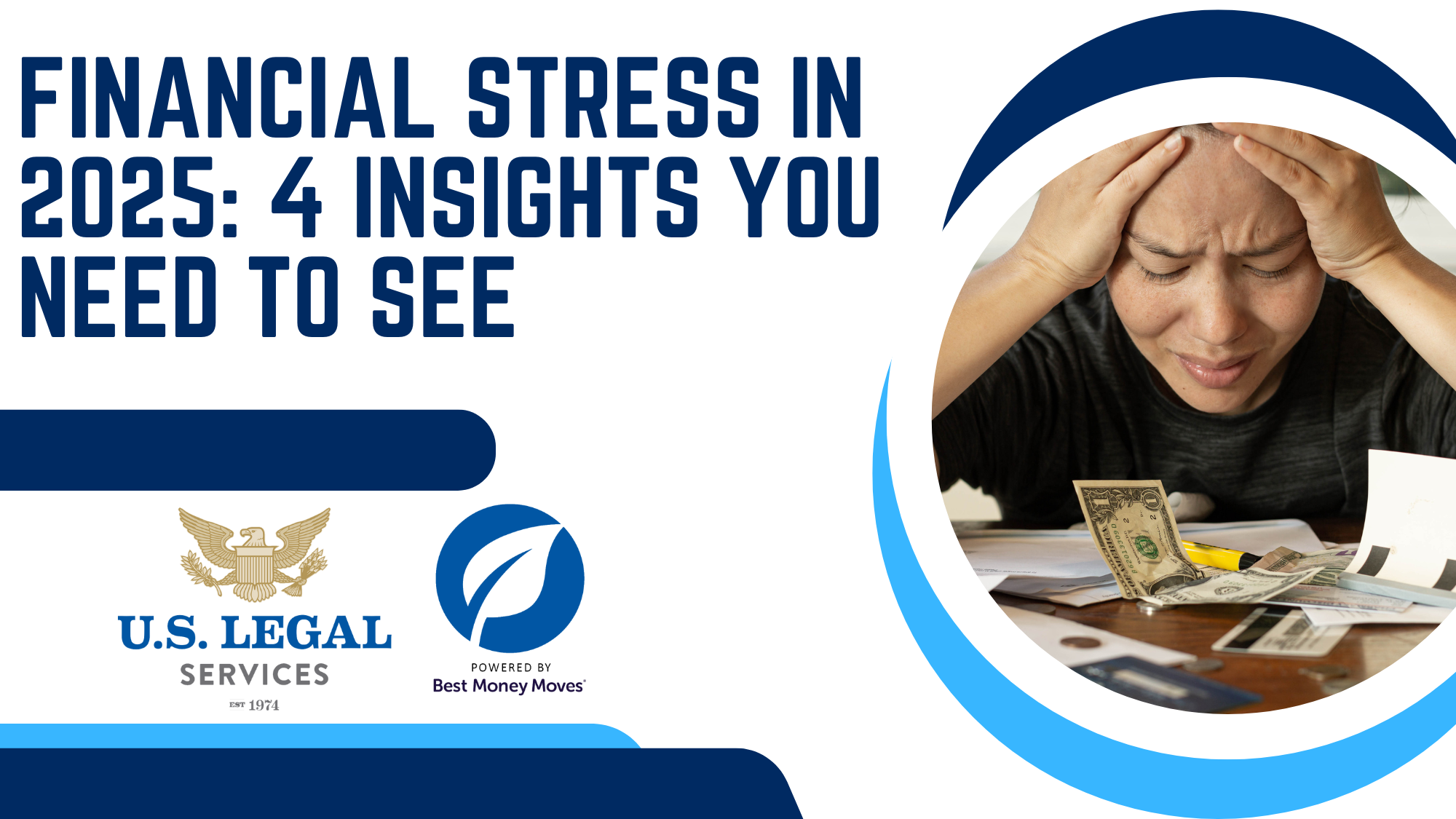
Financial Stress In 2025: 4 Insights You Need To See

Recent findings on employee stress have provided valuable insights that can help companies refine their benefits programs. The Employee Benefit Research Institute’s (EBRI) 2024 Workplace Wellness Survey, which gathered responses from over 1,500 American workers, uncovered emerging trends that could shape workplace wellness strategies in the coming years. At the core of employee concerns is financial security. Workers are eager to improve their financial well-being, whether by saving for retirement, reducing debt or handling unexpected expenses. One common thread remains — many employees expect their employers to play an active role in offering financial education and support. Below are four main takeaways from the EBRI survey and how they can inform your company’s wellness initiatives. Retirement savings is a primary concern for employees When asked how they would allocate an extra $600 across financial accounts, the majority of employees indicated they would prioritize their retirement savings. A well-funded retirement account not only helps employees secure their future but also contributes to overall peace of mind. However, the survey also found that nearly 20% of respondents had tapped into their retirement funds to cover emergency expenses. Without a dedicated emergency savings account, employees may dip into their long-term savings, adding to

Read More »

5 Breakthrough Benefits Trends to Try Out in 2025

With 2024 behind us, HR professionals are examining their benefits for the year ahead. Financial uncertainty marked most of 2024, leading to a shift in employee priorities. So, to meet transforming demands, employers may need to adapt their benefits. One common theme emerging from this year’s insights is personalization. Employees want benefits to address specific challenges. That may mean things like building retirement savings or managing unexpected medical costs. This year, Retirement plans and paid leave are in high demand. Financial wellness also continues to be a top priority. Here are the most important benefits your company needs to stand out to top talent in 2025. 1. Embrace financial wellness to support overall well-being Financial stress remains a concern for employees across industries, income brackets and generations. The stress is due to many factors, including an increased cost of living . According to CNBC, rising expenses have made major financial milestones. Retiring, buying a home or car and getting married may be unattainable for many Americans. Financial wellness programs can help employees reduce their stress and improve productivity. These programs offer personalized support and resources. Employees at every stage of life and income can meet their needs. Roughly 70% of

Read More »

Here Are the Unique Reasons Different Generations Are Stressed About Money

Around 70% of U.S. employees are stressed about money, according to PNC’s 2024 Financial Wellness in the Workplace report. However, the exact causes of this stress may vary significantly by generation. Where younger employees mainly worry about short-term issues like monthly expenses, Gen X and Baby Boomers worry about their long-term ability to retire comfortably and on time. These varied stressors can complicate the process of supporting a multi-generational workforce. However, if business leaders can recognize the unique worries facing each age group, they can successfully implement customizable benefits solutions that meet employees wherever they may be. Financial stress leads to higher turnover for employees stressed about money Financial stress doesn’t just hurt employees at home—it can spill over into the workplace if not addressed. According to PNC, employees spend roughly three hours each week at work worrying about their finances. Over time, this distraction can hinder their overall workplace performance and harm an organization’s overall success. What’s more, financial stress can have an amplifying effect on turnover. Employees stressed about money are twice as likely to seek a new job than their financially secure peers. To keep employees engaged and committed to long-term success, employers must start by identifying

Read More »

3 Simple Mistakes To Eliminate From Your Benefits Program

An effective benefits strategy is essential for attracting and retaining talent in any business. According to a recent survey by PeopleKeep, 81 percent of respondents felt that an employer’s benefits package was a key factor in their decision to accept a new job. In fact, MetLife’s 2024 Employee Benefit Trends Study shows that 93 percent of employees view workplace well-being as equally important as their salary. Yet, employers continue to miss the mark in benefits selection, despite its critical role in employee satisfaction. According to Forbes Advisor, 40 percent of employers report having lost staff who sought better benefits elsewhere. A poorly designed benefits package can leave employees feeling undervalued and overburdened, contributing to high turnover rates and costly challenges for your business. Don’t let simple benefits mistakes derail your entire organization. Avoid these costly missteps when putting together your benefits package. Mistake 1: Offering an unclear benefits package. A lack of understanding is the most common issue preventing employees from accessing benefits. According to Ameritas, 85 percent of workers don’t understand their benefits options. Responsibilities at work and at home often push accessing benefits far down the list of priorities. The intricacies of plan choices and coverage options may

Read More »